

Natural products have gained significant popularity in recent years as eco-friendly and health-conscious alternatives to conventional products. Whether it’s personal care, baby food, or cleaning supplies, natural options offer a safer and more sustainable approach to daily life. This article explores the numerous benefits of natural products, key categories to consider, and practical tips for choosing the right ones.
Benefits of Natural Products
The growing preference for natural products is rooted in their positive impact on both personal health and the environment. Here are the key benefits:
Reduced Chemical Exposure
Natural products avoid harmful chemicals and synthetic additives, promoting better long-term health. They help reduce risks of skin irritation, hormonal disruptions, and other adverse effects linked to chemical-laden products.
Learn More: Reducing chemical exposure in everyday life.
Hypoallergenic
Designed with gentle, plant-based ingredients, natural products are safer for individuals with sensitive skin or allergies. They minimize the likelihood of allergic reactions compared to products with artificial fragrances or harsh chemicals.
Related Topic: Benefits of hypoallergenic products.
Environmentally Friendly
By replacing toxic chemicals with biodegradable and eco-friendly alternatives, natural products reduce pollution and contribute to a smaller carbon footprint.
Explore: How natural products benefit the environment.
Sustainability
Many natural products use materials sourced from organic farming and renewable resources, which helps conserve ecosystems and protect biodiversity.
Deep Dive: Understanding organic farming practices.
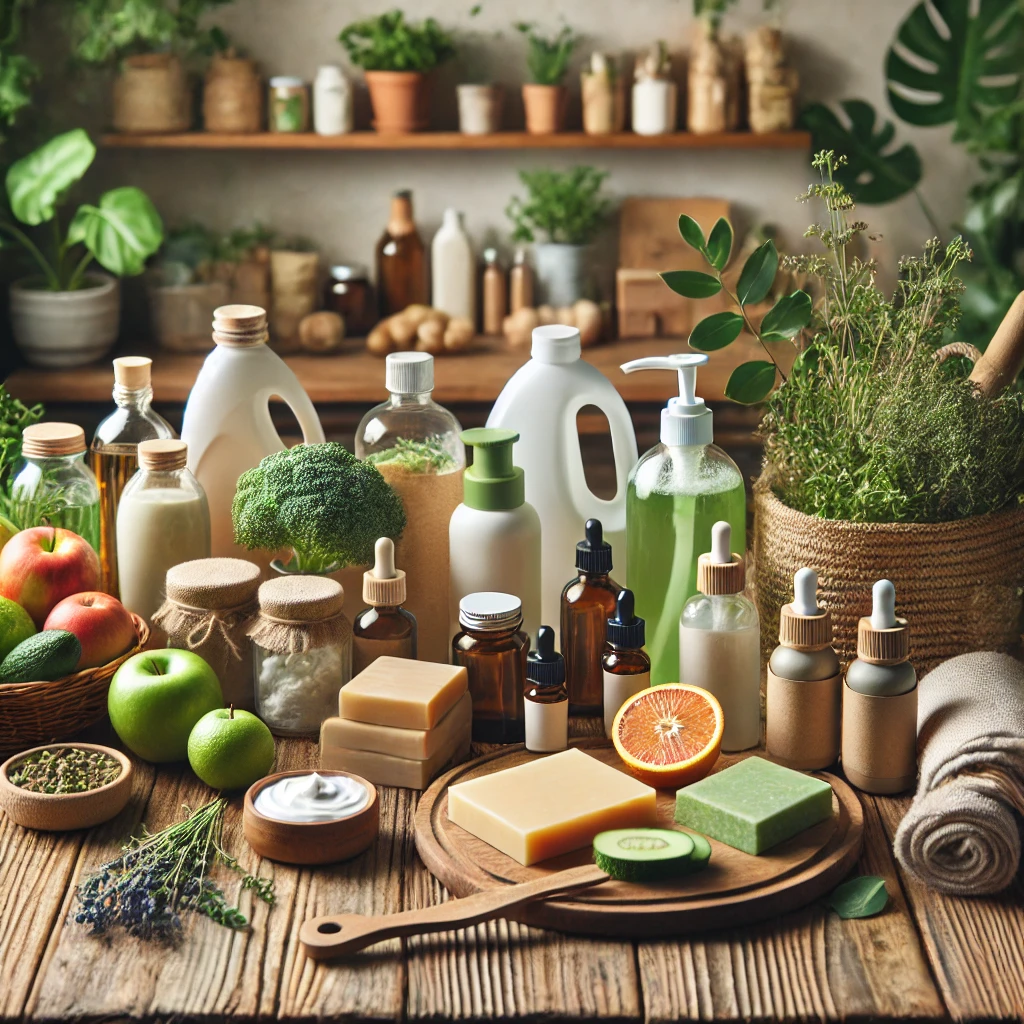
Key Categories of Natural Products
Natural products are widely available across several categories. Here are some of the most notable ones:
1. Personal Care Products
Natural personal care items prioritize skin and hair health by replacing harmful chemicals with plant-based alternatives.
Natural Shampoos: Use herbal extracts to cleanse hair while supporting scalp health. Avoid sulfates, parabens, and synthetic fragrances.
Guide: How to choose the right natural shampoo.
Natural Soaps: Often made with oils like olive, coconut, or shea butter, offering hydration and cleansing without harsh detergents.
Benefits: Why natural soaps are better for your skin.
2. Baby and Child Products
Delicate baby skin requires extra care, making natural and organic products essential for minimizing exposure to irritants.
Natural Baby Foods: Free from additives and pesticides, ensuring babies receive wholesome nutrition for healthy development.
Tips: How to select the best organic baby food.
Diaper Creams and Oils: Contain non-toxic, gentle ingredients to protect sensitive skin and prevent irritation.
Safe Choices: Best natural baby oils for moisturizing.
3. Food and Dietary Supplements
Natural and organic foods, along with supplements, support overall health by providing high-quality nutrients without artificial additives.
Organic Produce: Fruits and vegetables grown without synthetic pesticides offer enhanced flavor and nutritional value.
Learn: The advantages of eating organic foods.
Natural Supplements: Contain vitamins and minerals derived from whole foods, making them easier for the body to absorb.
Resource: Choosing the right natural supplements.
4. Home Cleaning Products
Chemical-free cleaning products promote a healthier home environment while protecting the planet.
Natural Surface Cleaners: Typically use ingredients like vinegar, lemon, and baking soda to clean effectively without toxins.
DIY Tips: Recipes for making natural cleaning solutions at home.
Natural Laundry Detergents: Hypoallergenic options that are gentle on skin and free from toxic residues.
Explore: Top-rated natural laundry detergents.

Tips for Choosing Natural Products
Selecting authentic natural products requires careful consideration. Here’s how to make informed choices:
Check Labels Thoroughly
Not all products labeled “natural” or “organic” meet the same standards. Look for certifications like USDA Organic, ECOCERT, or other reputable seals that verify product authenticity.
Guide: Understanding organic certifications and what they mean.
Read Ingredient Lists
Examine labels for harmful ingredients like parabens, sulfates, artificial dyes, and fragrances. Opt for products with recognizable, plant-based components.
Resource: Harmful ingredients to avoid in everyday products.
Support Sustainability
Prioritize brands committed to ethical sourcing, recyclable packaging, and sustainable production practices.
How-To: Evaluating a company’s environmental impact.
Choose Cruelty-Free Products
Support brands that avoid animal testing by selecting cruelty-free certified options.
Database: Trusted cruelty-free brands and products.
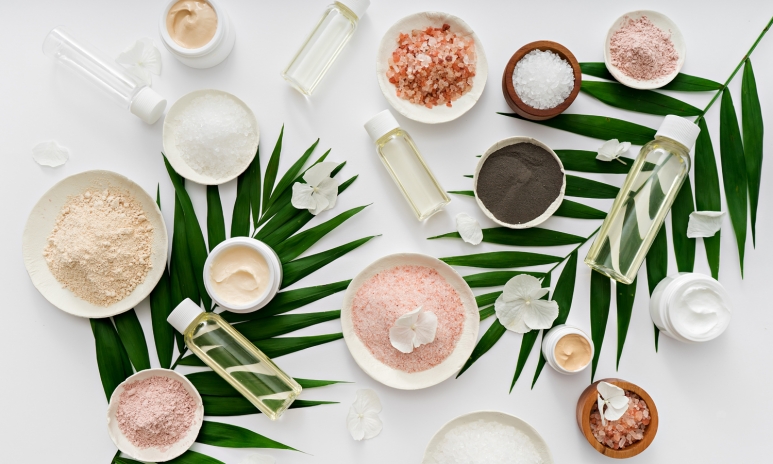
Natural products offer a healthier, eco-friendly alternative to conventional products by prioritizing sustainability and reducing harmful chemical exposure. From personal care to home cleaning, these products play a crucial role in supporting a cleaner lifestyle and a greener planet. By carefully selecting natural and eco-friendly options, individuals can contribute to a sustainable future while enjoying the numerous health benefits these products provide.