

In recent years, the concept of health expectancy has gained traction as an essential measure for assessing the quality of our lives, complementing traditional life expectancy statistics. While life expectancy merely tells us how long we can expect to live, health expectancy reveals how many of those years will be spent in good health—without the burden of chronic illnesses or disabilities. This nuance provides a more comprehensive picture of well-being, allowing individuals, communities, and policymakers to make more informed choices.
What is Health Expectancy?
At its core, health expectancy indicates how many years a person is likely to live in good health. It merges life expectancy data with various health metrics, offering clearer insights into our quality of life. For example, someone may have a long life expectancy but suffer from chronic health issues, resulting in a lower health expectancy. This stark reality underscores the significance of preventive healthcare and healthy lifestyle choices.
Key Metrics in Health Expectancy
Several important metrics help us understand health expectancy better:
- Healthy Life Expectancy (HALE):This metric tells us how many years individuals can expect to live fully healthy, factoring in illnesses and disabilities.
- Disability-Adjusted Life Years (DALYs): This metric quantifies the overall burden of disease by calculating the years lost due to poor health, disabilities, or premature death.
- Quality-Adjusted Life Years (QALYs): This measure combines both the length and quality of life, allowing us to evaluate the effectiveness of medical interventions more clearly.

Why is Health Expectancy Important?
- Shaping Public Health Policies: Health expectancy data is crucial for governments and health organizations when crafting policies and distributing resources. Targeting non-communicable diseases (like diabetes and heart disease) can elevate health expectancy across populations.
- Encouraging Preventive Healthcare: By understanding health expectancy, we realize the importance of preventive health measures—vaccinations, regular check-ups, and healthy lifestyle changes can significantly add healthy years to our lives.
- Guiding Personal Health Decisions: Individuals armed with knowledge about health expectancy can make better decisions regarding their diet, exercise, and healthcare, promoting a proactive approach to health.
Factors Influencing Health Expectancy
Numerous factors can affect health expectancy:
- Lifestyle Choices: Habits like smoking, lack of physical activity, and poor nutrition are significant contributors to lower health expectancy.
- Access to Healthcare: Having access to quality healthcare services is essential for early diagnosis and effective disease management.
- Socioeconomic Status: Income levels, educational opportunities, and living conditions play a direct role in determining health outcomes.
- Environment: Clean air, water, and safe living conditions are fundamental to maintaining good health.
How to Improve Health Expectancy
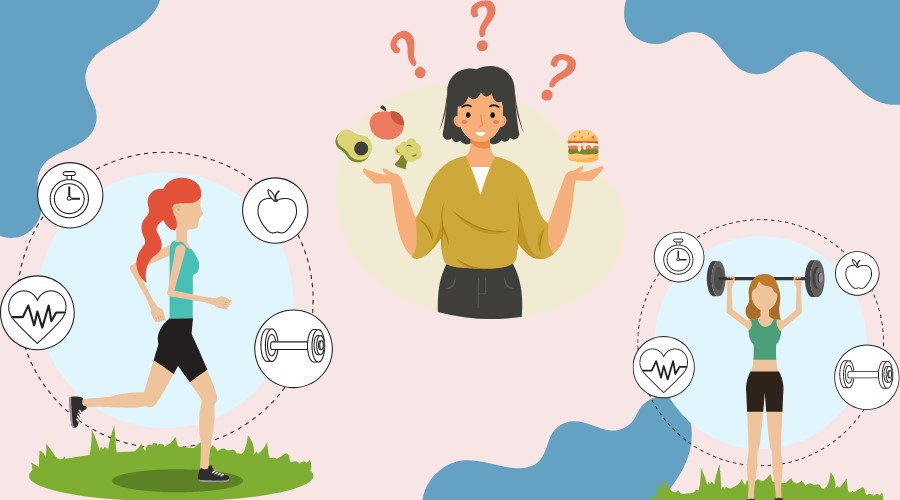
- Adopt a Balanced Diet: Eating a diet rich in fruits, vegetables, whole grains, and lean proteins canprovide essential nutrients to maintain health and prevent chronic diseases.
- Stay Physically Active: Engaging in regular exercise can improve cardiovascular health, strengthen muscles, and enhance mental well-being. Aim for at least 150 minutes of moderate exercise each week.
- Avoid Harmful Habits: Quitting smoking and limiting alcohol consumption can significantly reduce the risk of chronic illnesses like cancer and liver disease.
- Regular Health Screenings: Early detection of diseases such as diabetes, hypertension, and cancer can lead to better health outcomes and an extended health expectancy.
- Manage Stress: Chronic stress can have detrimental effects on both physical and mental health. Simple relaxation techniques like meditation, yoga, or deep breathing can make a substantial difference.
Conclusion
Health expectancy is more than just a statistic; it’s a vital measure that highlights the significance of quality over quantity in our lives. By prioritizing preventive healthcare, adopting healthier lifestyles, and ensuring equitable access to healthcare, we can work together to improve health expectancy for all. This concerted effort benefits not only individuals and families but also alleviates pressure on healthcare systems worldwide.
As the medical community shifts its focus toward holistic health, understanding and improving health expectancy will remain central to our collective progress. Whether you’re a policymaker, healthcare provider, or simply someone looking to live a healthier life, prioritizing health expectancy is a step toward a more fulfilling life.